
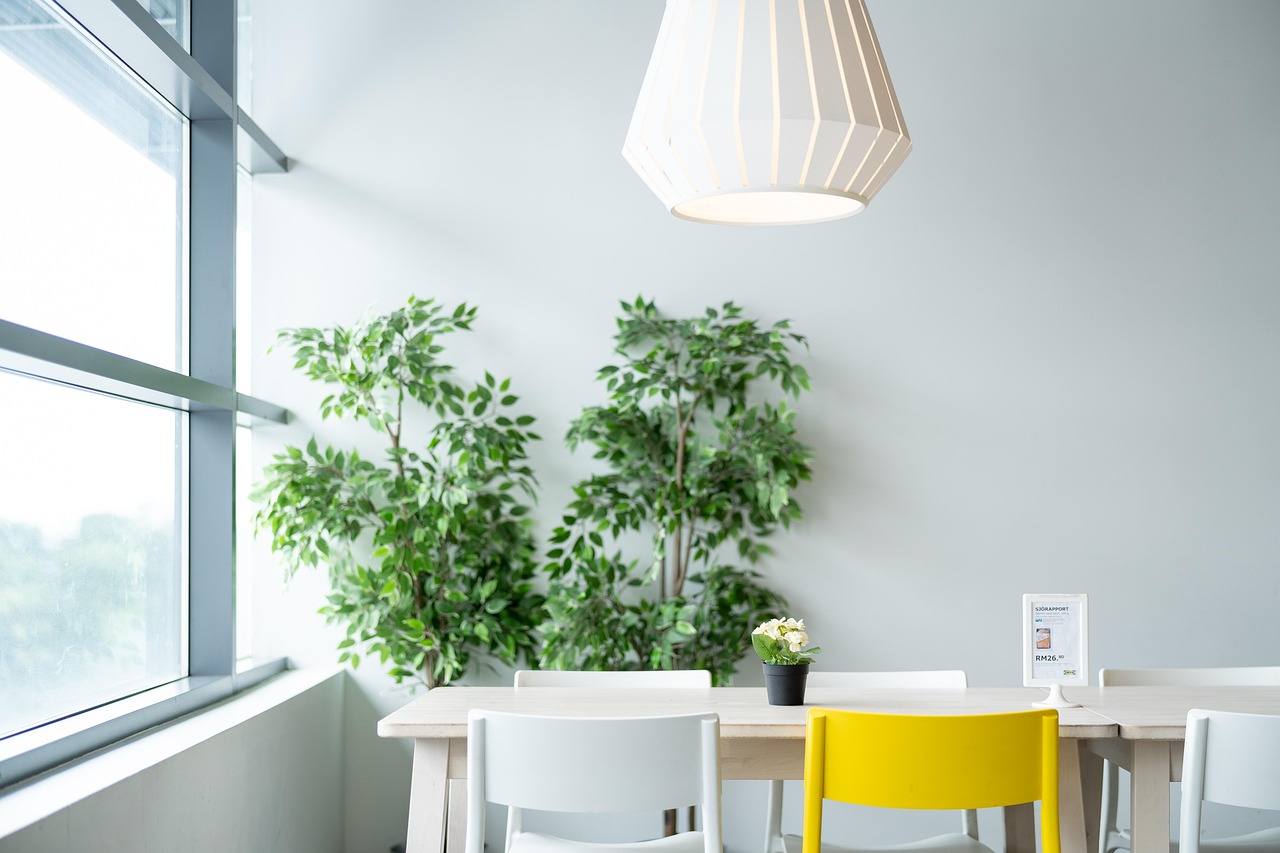
Modern life often feels like a race that never stops — and in the rush, our surroundings can silently become a reflection of our stress. The more things pile up, the heavier our minds feel. Yet science now confirms what intuition has long whispered: clearing your space can calm your mind. Decluttering isn’t only about aesthetics; it’s a mental reset — a quiet, tangible way to reduce anxiety and regain control.
Why Clutter Raises Stress Levels
Our environment directly mirrors our mental state. A cluttered space sends constant signals of chaos to the brain, triggering tension and cognitive overload.
-
A Princeton University study revealed that physical clutter competes for attention, draining focus and productivity.
-
University of Connecticut research found that removing clutter reduces stress and boosts self-confidence.
-
Women who described their homes as “cluttered” had persistently higher cortisol levels than those who saw their spaces as restorative (Personality and Social Psychology Bulletin, 2010).
Each unwashed dish or stack of papers quietly registers as a task undone. Decluttering reclaims that mental space, replacing overwhelm with accomplishment.
Decluttering as Mental Health Care
Organizing isn’t just housework — it’s emotional regulation in action.
-
Stress relief through movement. Physical activity involved in cleaning releases endorphins and channels restless energy.
-
Visible progress builds confidence. Seeing the results restores a sense of mastery and self-efficacy.
-
Mindfulness in motion. Sorting and tidying invite focus on the present moment, grounding the mind.
Decluttering, in essence, functions as a moving meditation.
What Science Says About Space and Mind
A growing body of evidence confirms that our immediate environment shapes emotional well-being.
-
According to Utah State University Extension (2023), organizing living spaces leads to lower anxiety and better mood.
-
Research published in the Journal of Environmental Psychology (2021) showed that subjective perceptions of clutter strongly predict overall happiness and health.
-
Columbia University psychologists (2024) report that when home environments become unmanageable, it can both reflect and amplify anxiety or depression. Cleaning and reorganization help restore stability.
-
A 2025 GVMA Mental Health Study found that women living in cluttered spaces had elevated cortisol levels; tidying improved focus and sleep.
Clear space, it appears, supports a clear mind — and even the body follows.
Why We Hold On to Things
To understand the power of decluttering, we must first grasp why letting go is so hard.
-
Effort justification. We overvalue items tied to personal effort or expense.
-
Memory and identity. Possessions act as physical anchors of our past and sense of self.
-
Fear of uncertainty. Holding on to objects “just in case” provides an illusion of security.
Decluttering thus becomes both physical and emotional release — a symbolic act of renewal.
How Environment Shapes Emotion
Our surroundings either support or drain us.
-
Excess stimuli scatter focus. Visual overload taxes cognitive resources.
-
Mess interferes with rest. The brain perceives disorder as unfinished business, disrupting relaxation.
-
Order enhances performance. The Princeton Neuroscience Institute showed that organized environments improve cognitive efficiency and mood.
A tidy workspace restores attention; a calm bedroom enhances sleep. Environment is therapy.
Reclaiming Control Through Decluttering
During the pandemic, researchers at DePaul University (Crum & Ferrari, 2020) observed that organizing gave individuals a sense of control amid uncertainty. Order became a psychological anchor.
-
Symbolic renewal. Letting go of old objects signals readiness for change.
-
Physical therapy. The bodily rhythm of cleaning harmonizes emotion and movement.
-
Predictable ritual. Routine actions — sorting, folding, arranging — tell the brain: “I am in control.”
Small victories in physical order echo into emotional balance.
How to Declutter Without Overwhelm
Decluttering itself can feel daunting. To make it healing, keep it intentional.
-
Start small. A single drawer or shelf is enough to begin.
-
Sort mindfully: keep, donate, or discard.
-
Add ritual: play music, light a candle — make it peaceful.
-
Drop perfectionism. The goal is lightness, not minimalism.
Consistency matters more than intensity. A few intentional minutes a day can transform space and spirit alike.
The Long-Term Effect of Order
Psychologists emphasize that order is a practice of self-care, not a one-time act.
-
A 2024 study by the Catholic University of Milan found that small daily tidying rituals raised calmness levels by 12–15%.
-
People practicing minimalist habits showed lower depression rates and greater freedom (ScienceDirect, 2021).
Decluttering thus functions like mental hygiene — a ritual of returning to oneself.
In the End
Clutter is not just physical — it’s emotional noise. Cleaning is a conversation between your inner and outer worlds. Each cleared surface reflects regained peace of mind. Science agrees: when you clear your space, your mind follows. Decluttering is not about owning less; it’s about feeling more — calm, focused, and free.