
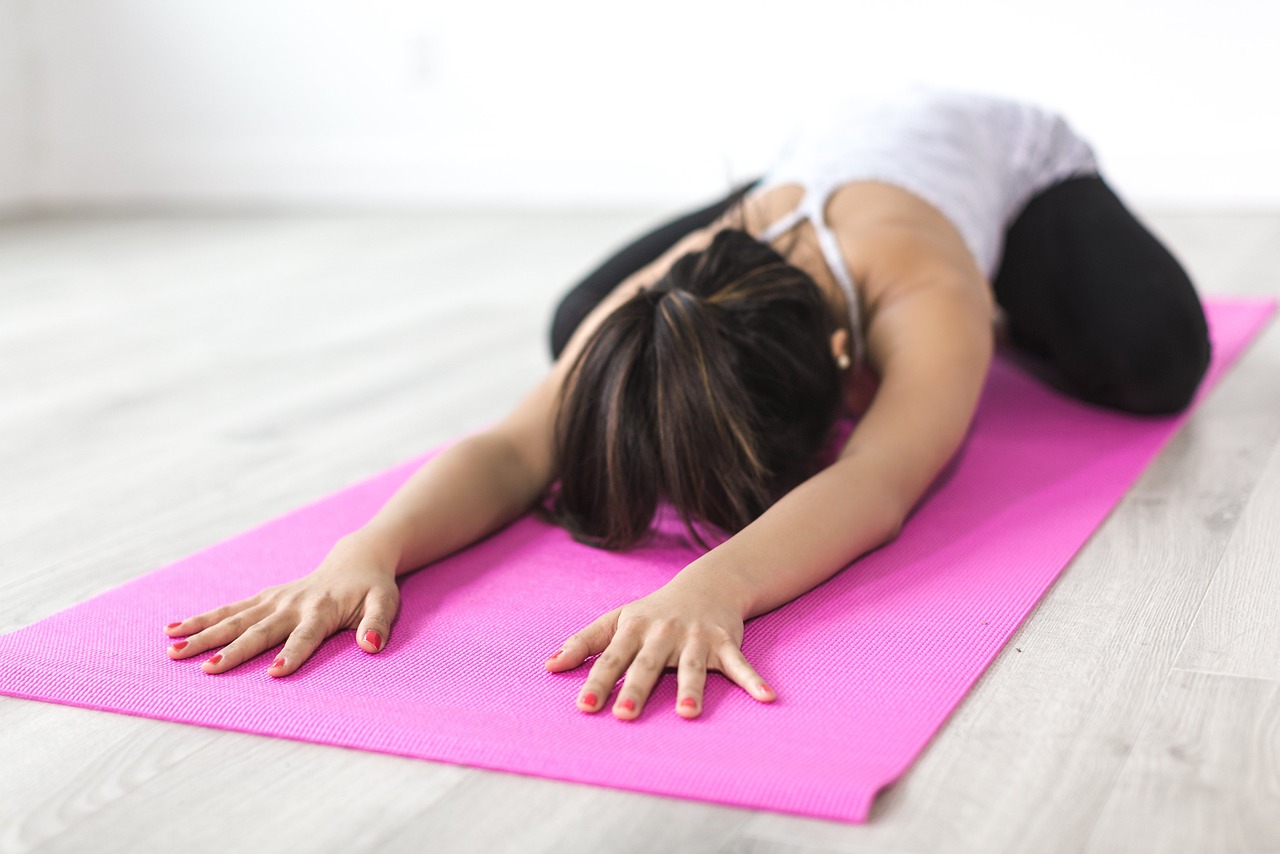
The world has changed — and so has fitness. You no longer need a gym membership, fancy machines, or long commutes to stay in shape. A few square meters of space, the willingness to move, and some awareness are enough. Experts agree that exercising at home isn’t a compromise; it’s a complete way to stay strong, flexible, and healthy.
The goal is to make home workouts comfortable, meaningful, and consistent. The biggest challenge isn’t equipment — it’s the habit.
Why Home Workouts Work
Studies prove that bodyweight training can be as effective as gym workouts when form and consistency are on point.
-
Accessibility. Train anytime, anywhere — no commute, no schedule stress.
-
Functional strength. Using your own bodyweight builds coordination, stability, and flexibility.
-
Lower injury risk. You control the pace and intensity.
-
Comfort. No gym crowds, no self‑consciousness — just you and your rhythm.
The key is to start small and listen to your body. Home workouts can adapt to your energy and phase of life.
What You Actually Need
All you truly need is a mat and motivation — but music or a video routine can make it fun. Stick to these essentials for results:
-
Be consistent. Twenty minutes daily beats one long session a week.
-
Mix it up. Alternate between strength, cardio, and flexibility work.
-
Breathe with awareness. Controlled breathing enhances stamina.
-
Rest. Muscles recover and grow between sessions.
Home training means freedom to design your own fitness journey.
Simple Bodyweight Exercises That Work
These movements engage major muscle groups without any gear.
Warm‑Up (5–7 min)
-
Shoulder rolls and arm circles
-
Gentle torso bends and overhead stretches
-
Marching or jumping in place
Main set
-
Squats. Build leg and glute strength — keep your spine tall, knees in line.
-
Push‑ups. Strengthen chest, arms, and core; modify from knees if needed.
-
Plank. Engage core, improve posture and stability.
-
Glute bridge. Lying on your back, raise hips while keeping your core tight.
-
Lunges. Work legs and balance; step forward or backward for variation.
-
Superman hold. Lying on your stomach, lift arms and legs slightly off the ground to train your lower back.
Cool‑Down
Finish with light stretches — hamstrings, shoulders, chest — and deep breathing.
Even 15–20 minutes yield results when repeated consistently. Try completing exercises in a circuit format — 40 seconds on, 20 seconds rest, repeated three or four rounds.
Mini‑Workouts Throughout the Day
You don’t always need a set time to move — sprinkle activity across your day.
-
Morning: a five‑minute stretch and plank to wake muscles.
-
Midday: a few squats between calls.
-
Evening: yoga or gentle breathing for relaxation.
Every bit of movement counts — it’s all cumulative.
Staying Motivated
The hardest part isn’t starting — it’s sticking with it. Use these strategies:
-
Build a ritual. Treat it like brushing your teeth — routine, not debate.
-
Track progress. Write down reps, mood, and energy levels.
-
Add music. Rhythm boosts motivation.
-
Join an online group. Accountability keeps you going.
-
Drop perfection. Missing a day isn’t failure; coming back is success.
The Science‑Backed Benefits
Research highlights key perks of training at home:
-
Cardio health: short HIIT sessions improve endurance and heart strength.
-
Muscle tone: bodyweight moves activate stabilizers that protect the spine.
-
Mood boost: movement stimulates endorphins.
-
Immunity: regular exercise reduces inflammation and stress.
Fitness is self‑care, not punishment.
Creating Your Rhythm
There’s no ideal plan — only what fits your life.
-
Keep workouts short but frequent.
-
Rotate activities — cardio today, yoga tomorrow.
-
Include breathwork for relaxation.
-
Focus on how movement feels, not just on results.
Home workouts aren’t second best — they’re modern fitness at its most accessible. They give you autonomy: to move anytime, anywhere, for yourself. Just twenty minutes daily strengthens muscles, improves endurance, and restores calm. The simplest path to fitness doesn’t start in the gym — it starts where you are, with your first intentional step.