
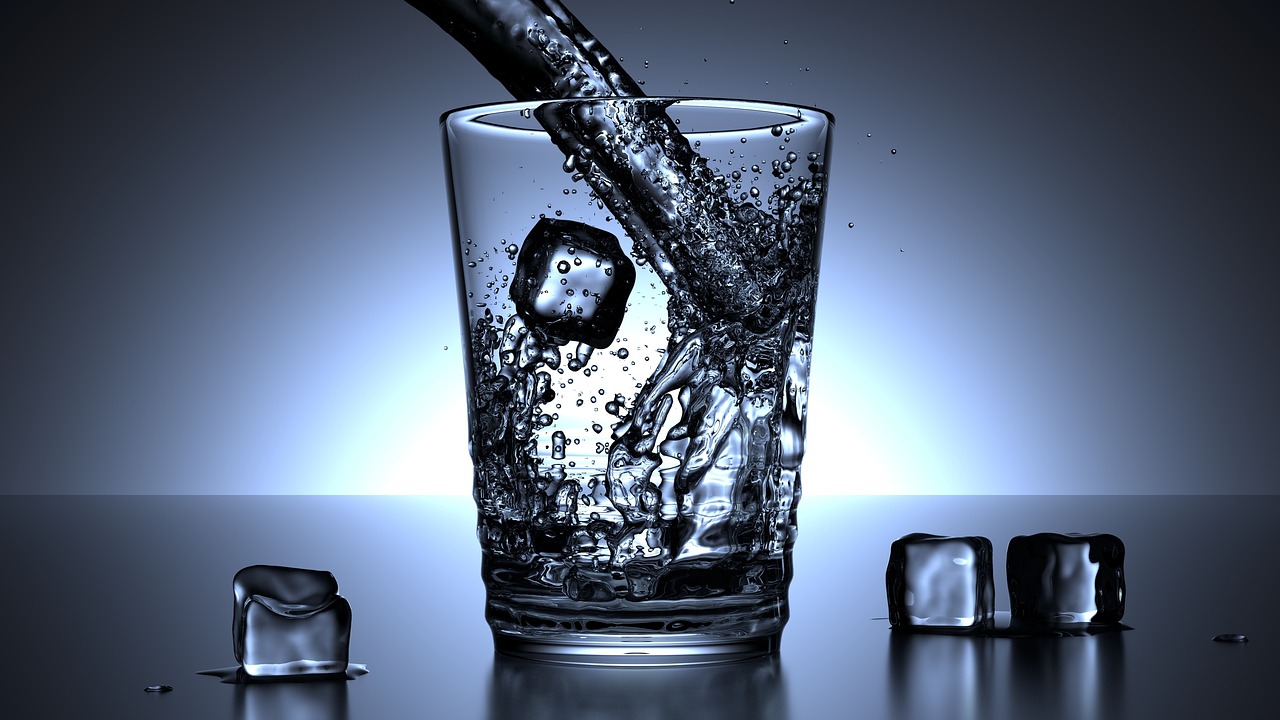
Every year, the trend of “cleansing the body” takes on new forms — juice detoxes, fasting days, smoothie programs. Modern life keeps us searching for a sense of lightness and renewal. Among these trends, water fasting stands out as one of the most extreme and debated methods — a period when a person consumes only water and refrains from all food.
Some praise it as a miracle reset button; others warn that it can be dangerously misleading. So where lies the truth? Can water really renew the human body?
What Is Water Fasting?
In its traditional sense, a water fast means temporary abstinence from food, during which one consumes only water. There are several common versions:
- Short-term fasts lasting 24–48 hours, usually meant as a digestive “restart”.
- Mid-length fasts of up to a week, popular among detox enthusiasts.
- Long or extreme fasts beyond 10 days, which raise serious medical concerns.
These regimens promise glowing skin, faster metabolism, toxin removal, and even “cellular rejuvenation.” But does the science really confirm this?
What Happens Inside the Body
When food stops coming in, the body first uses up glycogen — carbs stored in the liver and muscles. Once those reserves deplete, it switches to ketosis, burning fat for energy. Weight does go down, but not due to cleansing — it’s simply calorie restriction.
Within the first two days, most of the weight loss comes from water and salt, not fat. At the same time, lack of nutrients can cause:
- a weakened immune response,
- drops in blood sugar,
- headaches and dizziness,
- low blood pressure,
- fatigue and irritability.
To the body, fasting is not wellness but stress. It shifts into energy-saving mode, slowing metabolism and minimizing hormone production.
Why People Feel “Renewed”
Many report a sense of mental clarity and physical lightness after fasting. That feeling is real — but it’s largely driven by hormonal compensation. In the absence of food, the body releases adrenaline and cortisol to stay alert.
Additionally, the digestive system gets a temporary break from heavy meals, creating a subjective sense of “cleanliness” — though no literal detoxification takes place.
Common Myths vs Reality
- Myth: Water fasting flushes toxins from the body.
Reality: The liver, kidneys, and skin already handle detox just fine — they actually need nutrients to do so effectively. - Myth: Drinking only water speeds up metabolism.
Reality: Proper hydration supports metabolism, but it cannot speed it up without balanced food and movement. - Myth: Fasting clears the skin.
Reality: Temporarily, yes — due to reduced sugar and inflammation. But long fasts dehydrate the skin and dull its appearance. - Myth: Water fasting resets the body.
Reality: What people experience is more likely psychological — a sense of control and mental focus.
Is There Any Benefit?
Yes, but only in moderation. Short-term fasting can:
- improve hydration habits,
- increase mindfulness around eating,
- reduce intake of sugar and sodium,
- help recover from overeating.
However, it is not a medical therapy or a way to “reboot cells.” Extended fasting without supervision risks dehydration, electrolyte loss, and muscle weakness.
The Medical Perspective
Modern medicine warns against extremes. The idea that our bodies need external “cleansing” is a persistent myth. In fact, our detox systems function best when we support them naturally — through balanced nutrition, rest, and movement.
Rather than strict water fasting, many experts today suggest intermittent fasting. It provides similar benefits to digestion and discipline, but without nutrient deprivation.
How to Apply the Idea Safely
If you still want to “reset,” do it smartly:
- never fast more than 24 hours without medical advice,
- increase your water intake gradually,
- add small amounts of electrolytes,
- reintroduce food gently — start with soups, vegetables, lean proteins.
Water is essential, but it is not a substitute for nourishment. It supports life; it does not replace it.
Final Thought
Water fasting may feel like a symbolic way to start fresh. But believing that water alone can wash away toxins or renew your body is a comforting illusion. True renewal comes from long-term self-care, where hydration, nutrition, sleep, and mindfulness work together. Because health isn’t about purity — it’s about balance.