
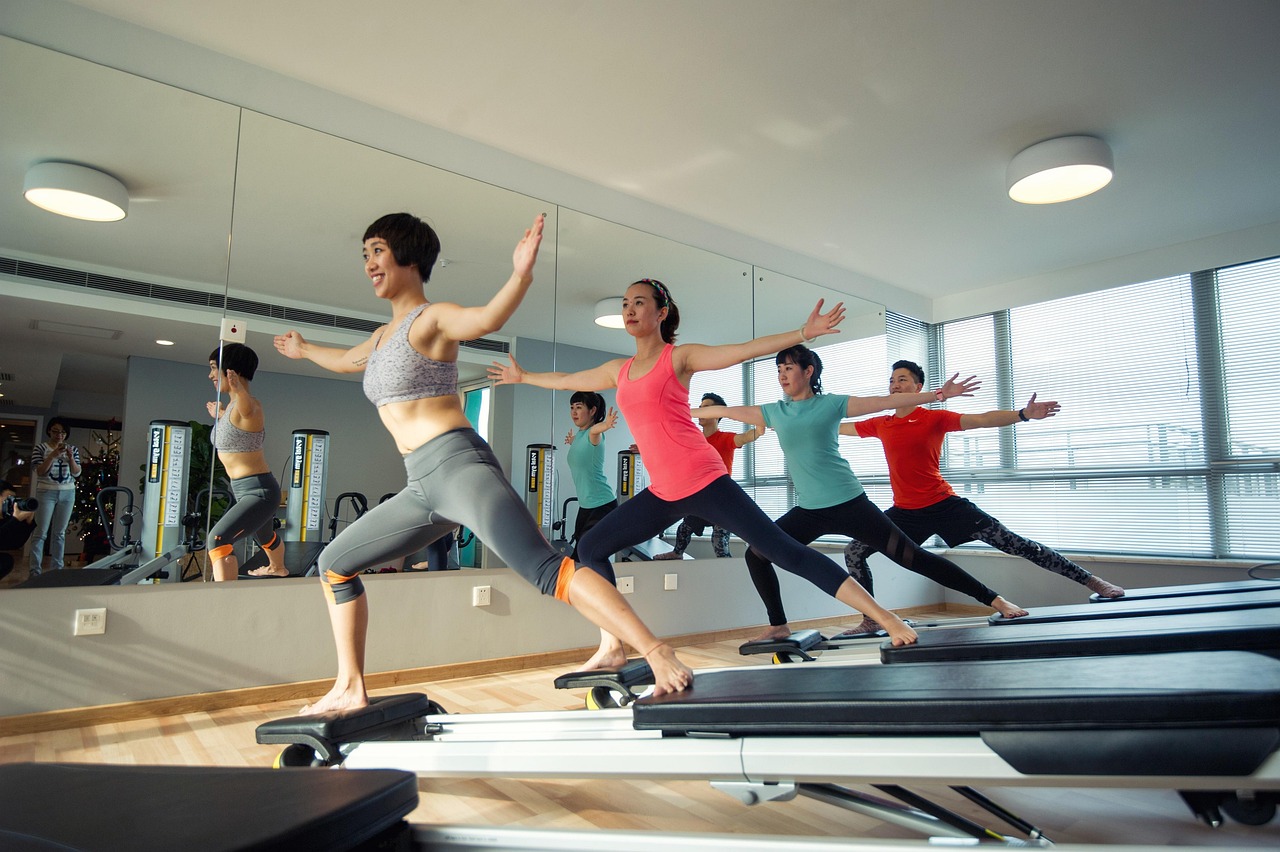
When fitness keeps reinventing itself with AI trainers and VR workouts, one simple truth remains: people move better together. Only now, “together” often means through a screen.
Online group fitness has become one of the top global wellness trends of 2024–2025. What began as a pandemic workaround has evolved into a sustainable fitness culture: flexible, community-driven, and science-backed.
So, should you join the movement — and how do you find your fit?
Why Group Fitness Thrives Online
Workout communities are shifting from studios to screens — and not out of convenience, but preference.
- Accessibility. You can train from anywhere without commuting or planning.
- Affordability. Digital memberships often cost a fraction of traditional gyms.
- Community. Virtual sessions build social groups with chats, challenges, and shared goals.
- Personalization. AI and wearable data make progress measurable and tailored.
- Diversity. Yoga, HIIT, dance, cycling — all on one platform.
The Numbers Behind the Trend
Group sessions now account for nearly 60 % of the virtual fitness market worldwide, according to 2024 data. Analysts expect online fitness revenue to exceed $90 billion by 2030.
Studies in 2025 show that participants in interactive group programs report 30 % fewer depressive symptoms and are twice as likely to stay consistent compared to solo exercisers.
The reason? Motivation through connection and accountability — someone’s waiting for you to show up on-screen.
Pros and Pitfalls
Advantages:
- flexible scheduling and no commute
- real-time encouragement from trainers
- strong social support, even remotely
- access to world-class instructors
Drawbacks:
- limited physical correction of form
- screen fatigue or distraction
- waning discipline without physical presence
- dependency on stable internet connection
As New York physiologist Jason Reed puts it:
“The screen can’t spot your posture mistakes, but it can still provide structure and connection — two things people need to stay consistent.”
How to Choose the Right Program
To make online group workouts truly effective, experts recommend checking:
- live classes, not just pre-recorded
- interactive tools like chats or leaderboards
- certified instructors (ACE, NASM, ACSM)
- adaptable intensity levels
- reputable platforms with data security and user support
From Fitness to Community
By 2025, these classes have evolved beyond exercise — they became virtual communities. Group chats, voice hubs, and real-time stats simulate the vibe of a shared studio.
Platforms are now integrating VR and AI systems that recognize movement patterns and suggest adjustments automatically. Psychologists compare the experience to “light therapy” — frequent positive contact that reinforces a sense of belonging.
California coach Jenna Torres says:
“After two years of teaching online, I’ve seen people not just getting stronger, but making friends across states. That emotional network keeps them coming back.”
The Rise of Hybrid Models
Gyms across the U.S. are adapting hybrid systems — part digital, part in-person — merging flexibility with in-person energy.
For most users, it’s the best mix: three online workouts, one physical session per week. Fitness experts report 25–30 % higher retention with hybrid setups.
The Verdict
Group online workouts are not just another passing trend — they’re the next chapter of digital wellness. They offer community, structure, and motivation in a world that often feels disconnected.
So yes, it’s worth trying — not to replace real life, but to enhance it. Health in 2025 is about connection, not isolation — and even through a screen, movement still brings us together.