
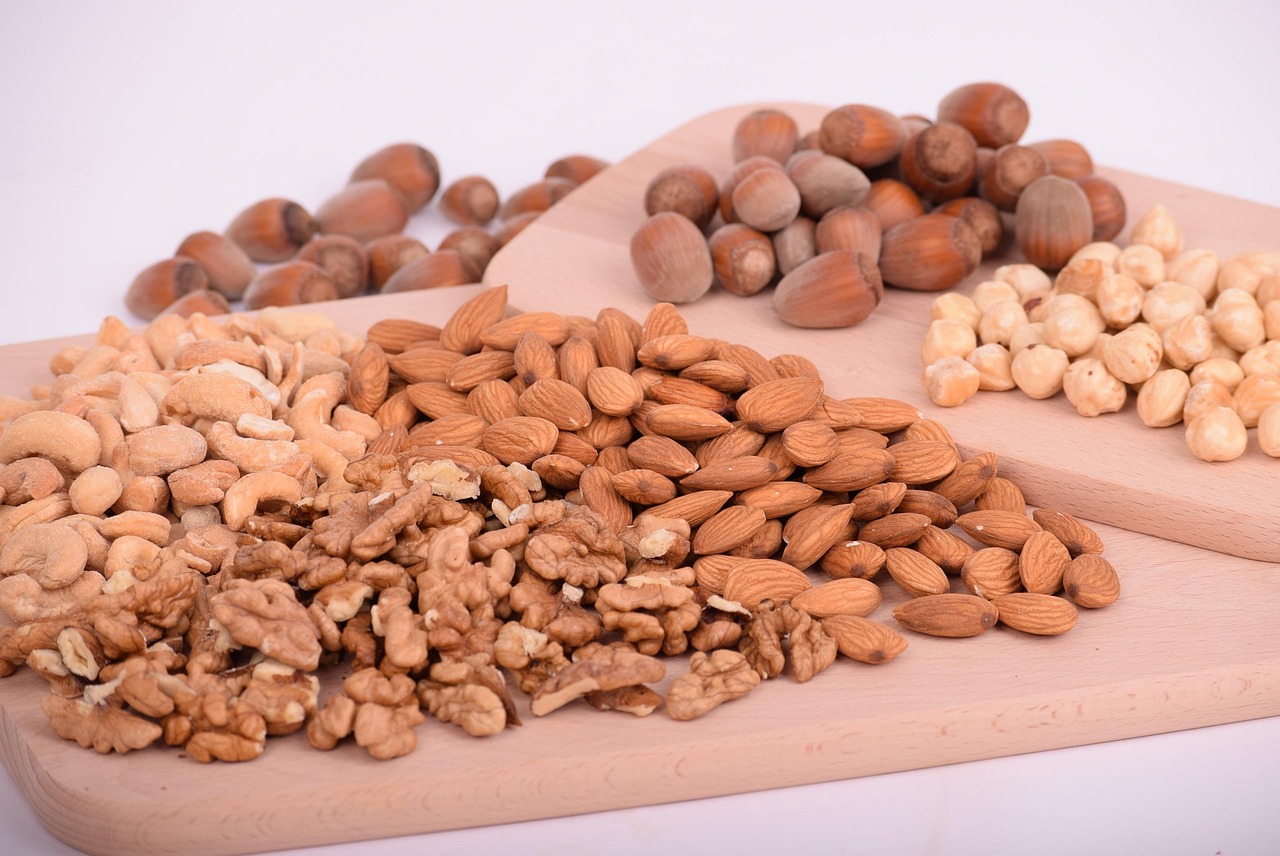
The phrase “nuts are brain food” has circulated for years, but how much of it is true? Modern science has put this claim to the test — and mounting evidence suggests there’s real substance behind it. Far from being a myth, nuts appear to influence cognitive health through measurable physiological mechanisms. The latest research outlines how the nutrients within a small handful of nuts can support brain performance and resilience over a lifetime.
Why Nuts Matter
Nuts are nature’s nutrient concentrate — small packages of energy and essential compounds designed to sustain life. That makes them especially valuable for the brain, one of the body’s most metabolically active organs.
Key nutrients include:
-
Polyunsaturated fatty acids (omega-3 and omega-6), crucial for neuron membranes.
-
Protein and amino acids, supporting neurotransmitter production.
-
B vitamins, particularly folate and B6, vital for nerve communication.
-
Magnesium, zinc, and selenium, which regulate stress and memory.
-
Antioxidants and polyphenols, protecting neurons from oxidative damage.
Together, these compounds feed, shield, and stabilize the brain.
What Science Says
Recent evidence across observational and clinical studies paints a consistent picture: regular nut consumption is linked to better cognition and lower risk of memory decline.
-
A 2020 systematic review of 22 studies with over 43,000 participants found that habitual nut intake correlated with improved memory, attention, and processing speed across age groups.pmc.ncbi.nlm.nih
-
A 2025 study from Maastricht University showed that adults aged 60–70 who ate 60 g of mixed nuts daily for four months had better memory and increased brain blood flow compared with periods without nuts.maastrichtuniversity
-
A 2023 Clinical Nutrition trial confirmed that 16 weeks of daily mixed-nut intake improved cognitive and vascular brain function.inc.nutfruit
-
The renowned PREDIMED trial on the Mediterranean diet found that a diet enriched with nuts cut stroke risk by 50%, indirectly preserving brain health.pmc.ncbi.nlm.nih
Not all studies find dramatic results, but overall trends are clear: nuts help protect the aging brain.
Mechanisms of the Mind–Nut Connection
The brain is highly sensitive to inflammation and oxidative stress. Nuts work on several fronts to reduce this damage.
-
Antioxidant action: Polyphenols and vitamin E in nuts neutralize free radicals before they harm brain cells.
-
Anti-inflammatory effects: Chronic inflammation accelerates brain aging; nut compounds calm this response.
-
Vascular support: Better endothelial function enhances oxygen and nutrient delivery to neurons.
-
Membrane health: Omega-3 fats, abundant in walnuts, keep neuronal signaling efficient.
-
Gut–brain synergy: Emerging studies suggest nut consumption supports healthy gut microbiota that communicate with the brain through neural and metabolic pathways.inc.nutfruit
Which Nuts Are Best for the Brain?
All nuts are beneficial, but some stand out for their specific nutrient profiles:
-
Walnuts are the standout, rich in omega-3 ALA and potent antioxidants.pmc.ncbi.nlm.nih+1
-
Almonds supply vitamin E and magnesium, reducing oxidative stress.
-
Pistachios and cashews support circulation through iron and copper.
-
Hazelnuts contribute folate and compounds that benefit memory.
-
Brazil nuts offer selenium, one of the brain’s key antioxidant minerals.
Diverse mixes amplify these effects — hence the frequent use of nut blends in clinical studies.
How Much Is Enough
Most benefits appear with 30–60 grams (a handful) per day, consumed regularly.
-
Daily consistency matters more than large occasional servings.
-
Add nuts to breakfast, salads, or as snacks.
-
Choose raw or lightly roasted, unsalted nuts; avoid sugar-coated or processed varieties.
-
Be mindful of portion size, as nuts are calorie-dense.
Moderation turns nuts into nourishment; excess turns them into extra calories.
Aging, Memory, and Long-Term Brain Health
As we age, brain blood flow and neural plasticity decline, raising dementia risk. Across global studies, frequent nut eaters score higher on memory tests and show slower cognitive decline, particularly when they maintain a healthy lifestyle.
A 2024 analysis found that adults over 60 who ate nuts 3–7 times weekly had a 68% lower risk of cognitive impairment. They also showed better vascular function and reduced inflammatory markers — an important biomarker of brain longevity.news-medical
Nuts don’t act as medication; they support the brain’s innate maintenance systems.
Beyond Nutrition: The Mindful Factor
Interestingly, the benefits of nuts go beyond biochemistry. Integrating them into daily life reflects a mindful approach to health — small, consistent choices that reinforce overall wellness. People who intentionally include nuts in their diet often care for other aspects of health — sleep, exercise, mental calm — that together sustain cognitive vitality.
So yes — nuts truly are good for your brain. They may not make you smarter overnight, but they help your mind age gracefully, shielding it from stress, inflammation, and cognitive fatigue. Walnuts might be the “food of the gods,” but science now confirms they’re also food for neurons. A handful a day can be a quiet investment in clarity, memory, and mental resilience — now and decades into the future.