
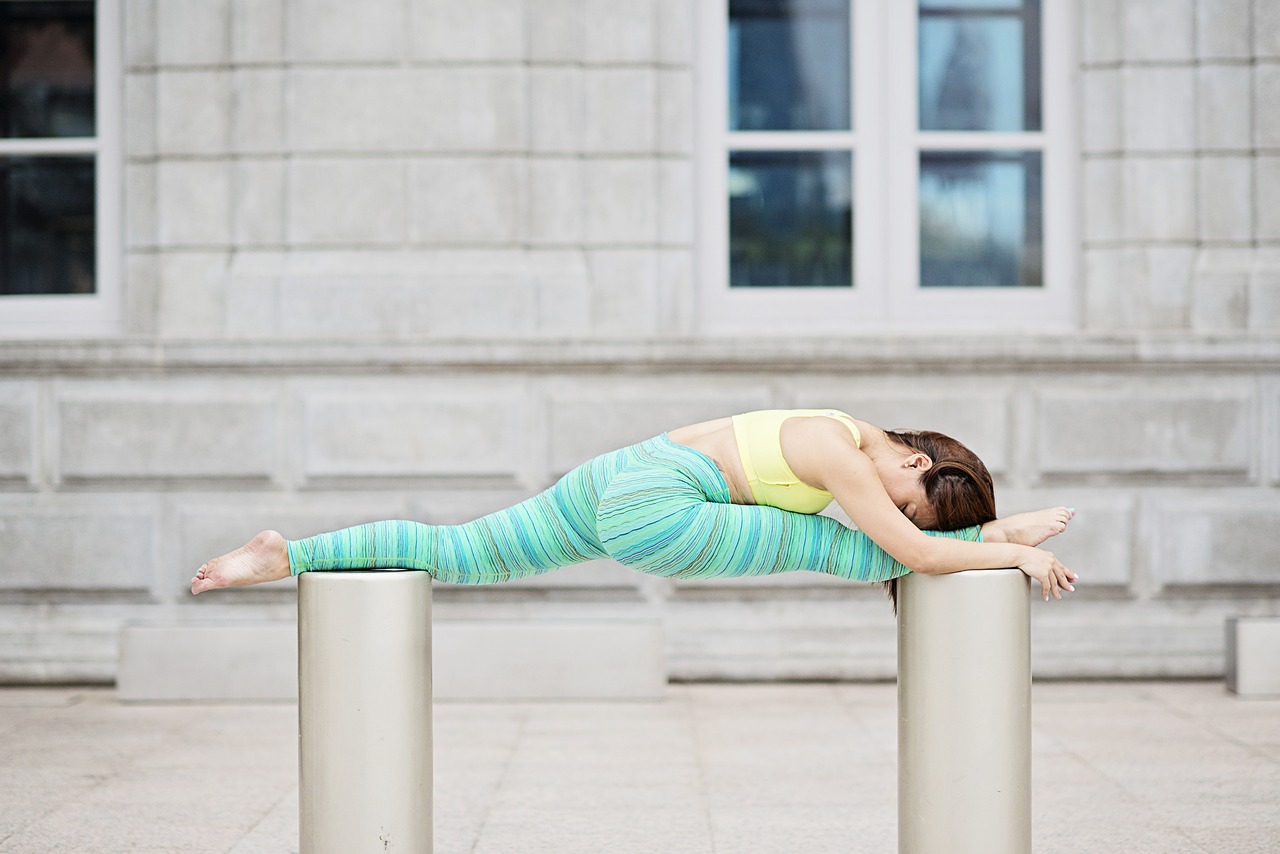
Modern life keeps us sitting longer than we sleep. Hours hunched over screens train the body into poor posture — rounded shoulders, tight neck muscles, and a bowed spine. Yet the fix doesn’t demand a gym membership: just a few minutes of mindful movement each day can rebuild posture and relieve pain.
Posture is more than a matter of appearance; it determines breathing, circulation, and even mental clarity. When you sit tall, your lungs expand, blood flows better, and your brain gets more oxygen. Energy rises, and stress drops. These simple movements, easily done at your desk, act like a personal reset for your body.
Why Desk Work Damages Posture
Sitting for hours slows circulation, weakens core stability muscles, and shortens the hip flexors and chest. The result is forward‑leaning posture and “tech neck.”
The pattern looks like this:
-
Head and shoulders tilt forward, stretching the back muscles.
-
Chest muscles tighten, compressing breathing.
-
The core and glutes weaken, increasing lumbar strain.
-
Blood flow and oxygen delivery to the brain decrease, causing fatigue and tension.
Short movement breaks every 45–60 minutes protect your body from this gradual collapse.
Core Principles for Corrective Exercises
Intentional posture practice begins with awareness.
-
Move slowly and breathe deeply through every exercise.
-
Keep the crown of your head lifted and chin slightly tucked.
-
Stretch until you feel gentle tension, not pain.
-
Teach your body consistent alignment through repetition.
Even two minutes of focused mobility work can align the spine and free the shoulders.
Quick Office Warm‑Ups
Shoulder circles. Roll your shoulders backward and forward, releasing tightness in the upper back.
Shoulder shrugs. Lift shoulders toward your ears, hold briefly, then drop.
Neck tilts. Gently bring your ear toward each shoulder, pausing 10–15 seconds per side to ease neck tension.
Posture‑Building Moves
Scapular squeezes. Sit upright with elbows at 90 degrees and gently squeeze your shoulder blades together. Hold five seconds, release, repeat. Strengthens the upper back to counter slouching.
Wall angels. Stand with heels, hips, and shoulders touching a wall. Slide your arms up and down as if making snow angels. This opens the chest and activates the mid‑back.
Plank with row. From a straight‑line plank, pull one elbow toward your ribs while keeping your torso stable, then alternate. Builds shoulder and core support.
Seated cat‑cow. Sit tall on the edge of your chair. Inhale, arch the spine and lift the chest. Exhale, round the back and drop the chin. Relief for a stiff mid‑spine.
Stretch and Recovery
Doorway chest stretch. Place forearms on each side of a door frame and lean forward until you feel the chest open. This combats rounded shoulders.
Seated twists. With both feet flat, place one hand on the opposite knee and rotate the torso, gazing over your shoulder. Breath deep; switch sides.
Forward fold. Stand and let arms and head hang loosely. Slowly roll up, vertebra by vertebra, releasing back tension.
Lower Body and Wrist Health
Mini squats and lunges. Activate hips and legs during micro‑breaks to stabilize posture.
Wrist stretches. Extend your arm forward, press fingers back gently, then downward to stretch both forearm sides. Typing relief in seconds.
Hidden Movements That Matter
If you can’t leave your desk, small actions still count:
-
Stand to take calls.
-
Contract and release your abdominal muscles for 10‑second cycles.
-
Circle your ankles or tap your feet while reading.
-
Walk around for half a minute whenever possible.
Movement keeps stabilizer muscles awake and pain at bay.
Supportive Ergonomics
Exercises matter, but workspace setup determines success. Ensure:
-
The monitor is at eye level.
-
The chair supports the lower back.
-
Knees are at a 90‑degree angle, feet flat.
-
Elbows rest close to your torso, wrists neutral.
The right ergonomics allow muscles to relax and posture to reset naturally.
Why These Moves Work
Performing small, consistent routines improves posture within weeks:
-
Neck and back pain decrease.
-
Focus and energy rise with better circulation.
-
Slouching fades as muscles learn to align effortlessly.
In the long run, these micro‑movements reduce risk of spinal issues and muscle fatigue caused by sedentary habits.
Posture is body language. It mirrors self‑care and confidence. A few mindful minutes of stretching each day aren’t just a physical fix — they’re a habit of respect for your body. Strengthening your back and shoulders isn’t vanity; it’s vitality. Remember: movement heals, and mindful movement keeps you strong, upright, and energized all day.