
In 2025, the intersection of classical and contemporary art represents a dynamic conversation bridging history and innovation. This fusion not only revitalizes traditional aesthetics but also redefines modern creative expression, offering fresh perspectives that resonate with global audiences. This comprehensive article explores the evolving nature of this artistic synthesis, its manifestations across mediums, and its cultural significance.
Classical art, rooted in the aesthetics, techniques, and narratives from the Renaissance, Baroque, and earlier periods, embodies ideals of beauty, proportion, and storytelling. Contemporary art, by contrast, often challenges conventions, embraces new media, and reflects modern social issues and technologies. Their fusion creates a vibrant dialogue where past and present inform and transform each other, leading to hybrid works that engage and challenge audiences.
Manifestations of Fusion in Art
-
Digital Collages and Reimaginings: Artists like Alexey Kondakov use digital tools to insert figures from classical paintings into modern urban scenes, creating surreal juxtapositions that highlight timeless human emotions against contemporary backdrops.
-
AI-Generated Art Inspired by Masters: Artificial intelligence tools reconstruct and reinterpret works of historical artists, generating novel compositions that blend old styles with new aesthetics, prompting questions about creativity and authorship.
-
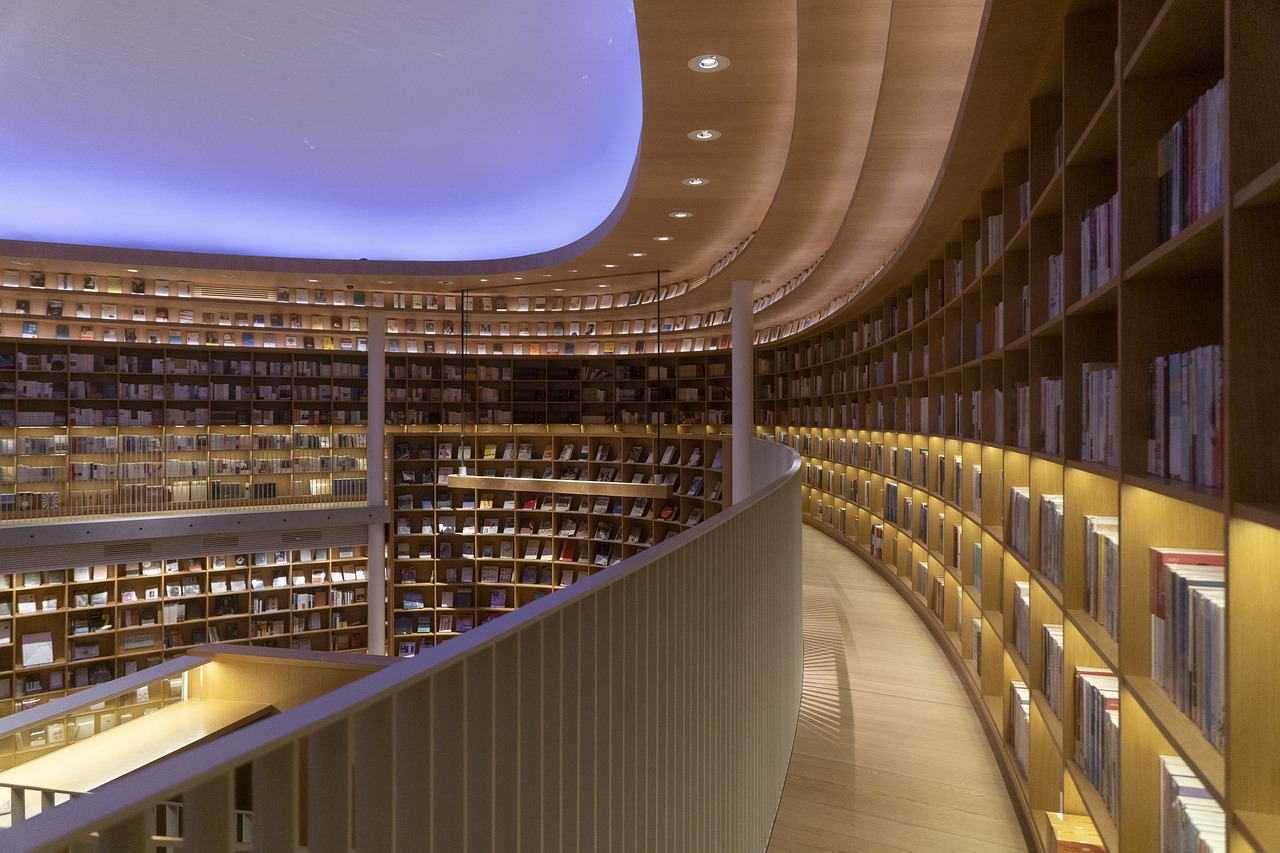
Architectural Inspirations: Modern architects incorporate classical motifs within innovative designs, merging symmetry and ornamentation with futuristic forms and materials, embodying cultural continuity and progression.
-
Multimedia Installations: Combining sculpture, video, performance, and interactive tech, these installations invite viewers into immersive experiences where classical themes are explored through contemporary lenses.
Cultural and Ethical Dimensions
-
Globalization Accelerates Fusion: Artists worldwide draw simultaneously from multiple cultural heritages, blending classical Western techniques with Eastern, African, and indigenous artistic traditions.
-
Preservation vs. Innovation: There is ongoing debate about respecting the integrity of classical works while fostering creative reinterpretation. Ethical considerations include cultural appropriation and artistic authenticity.
-
Audience Engagement: Contemporary fusion invites diverse audiences to connect with classical heritage in accessible ways, bridging generational and cultural divides.
Economic and Market Impact
-
Market Demand: Hybrid artworks appeal to collectors interested in both historical emblems and cutting-edge creativity, expanding art markets globally.
-
NFTs and Digital Ownership: Blockchain technologies offer new venues for trading digitally enhanced classical art, blending tradition with modern commerce.
Future Prospects
-
AR/VR Enhancements: Augmented reality exhibitions allow immersive exploration of blended artworks, enhancing appreciation and interaction.
-
Collaborative Global Networks: Artists, historians, and technologists increasingly collaborate across borders to create fusion projects that honor diverse heritages.
-
Educational Integration: Fusion art becomes a tool for teaching history and contemporary social issues, making art education more engaging and relevant.
The fusion of classical and contemporary art in 2025 exemplifies the evolving narrative of creativity—respectful of tradition yet boldly innovative. This synthesis enriches cultural dialogue, expands artistic possibilities, and invites audiences worldwide to experience the timeless nature of human expression through modern gateways.