
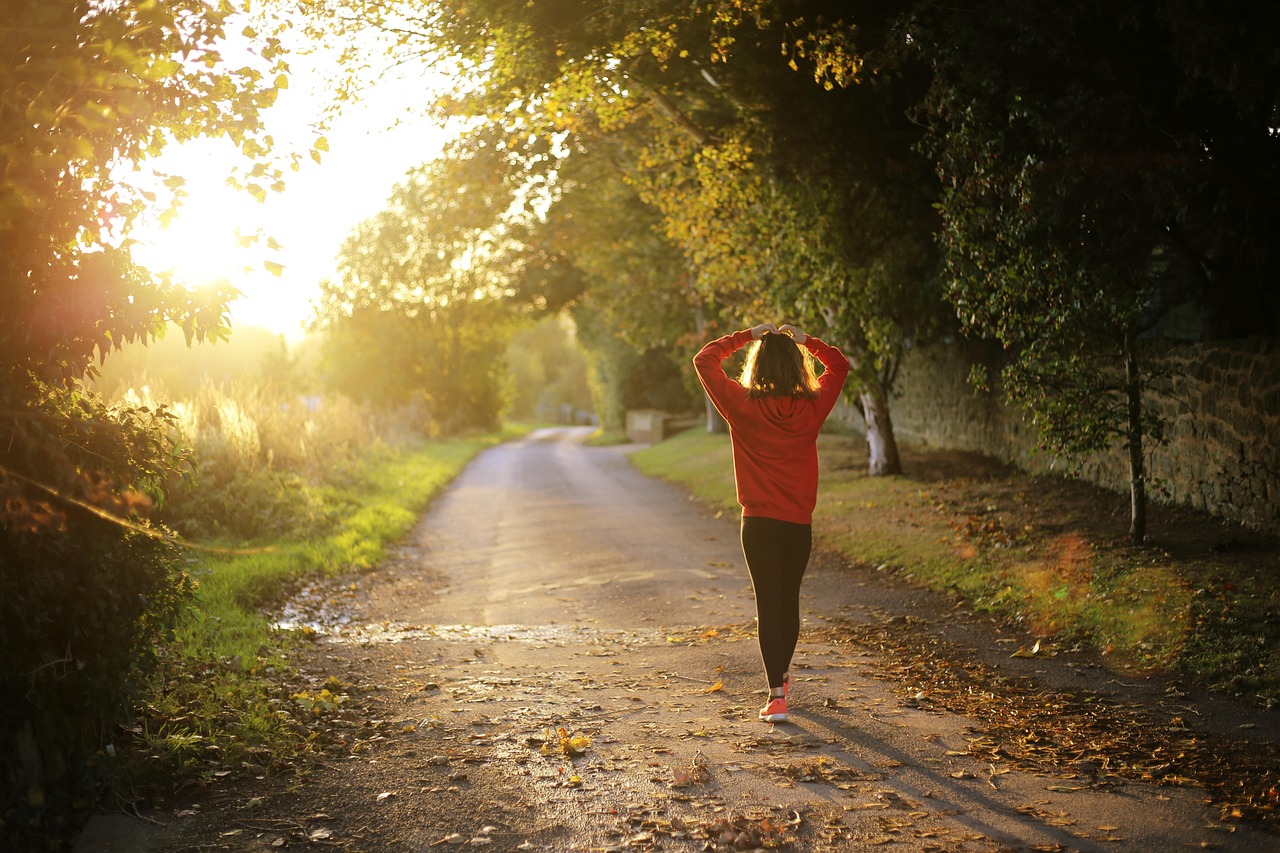
Sometimes, the simplest habits have the most profound effects. In the era of fitness trackers, gym subscriptions, and nutrition plans, one ancient practice quietly stands the test of time — a slow, mindful walk after eating. While many people rush to the couch after lunch or dinner, science keeps reminding us that even a 10-minute stroll can do wonders for digestion, blood sugar, and mental clarity.
The Science of Moving After Eating
Our bodies are not designed for abrupt stillness after a meal. Digestion triggers a cascade of processes that rely on smooth circulation, balanced hormones, and rhythmic muscle contractions along the digestive tract. Staying sedentary can slow these processes down — which is where walking comes in.
Modern research confirms that post-meal light exercise supports the body in several important ways:
-
Improves blood sugar regulation. After eating, glucose levels rise as food is converted into energy. A short walk encourages muscles to absorb glucose, easing the workload on insulin and stabilizing blood sugar levels.
-
Aids digestion. Movement stimulates gastrointestinal motility — the natural contraction of muscles along your gut — which helps food pass more efficiently through the digestive system.
-
Boosts heart health. Regular short walks reduce postprandial triglycerides (fat molecules that spike after meals) and support healthy cholesterol ratios.
-
Supports mental relaxation. Walking outdoors, especially after a heavy day or meal, improves mood, lowers stress hormones, and offers a psychological “reset.”
How Short Is “Short”? Finding the Sweet Spot
You don’t need to turn your walk into a workout. The goal here isn’t calorie burning — it’s regulation. Most studies suggest that a 10- to 15-minute walk after eating is the most effective and easiest commitment to maintain.
Some researchers found that three 10-minute walks after each main meal can lead to steady improvements in glucose control and body composition over time. These walks can be:
-
Casual strolls around your neighborhood
-
Slow indoor walking if the weather is bad
-
Brief dog walks after dinner
-
A loop around the office or block after lunch
The trick is simplicity — make it doable, not demanding.
Ancient Wisdom Meets Modern Research
Interestingly, the idea of walking after eating is far from new. In several cultures, this practice is built into tradition:
-
In India, Ayurveda recommends a gentle walk — called Shatapavali — after meals to stimulate digestion and prevent bloating.
-
In Japan, post-dinner strolls known as Sanpo are common, particularly among older generations who treat evening walks as both exercise and social time.
-
In Mediterranean countries, a slow group walk after family meals (sometimes ending at a café for coffee) remains a cherished daily ritual.
Today, science affirms that this global wisdom was more than cultural — it was physiological common sense.
What Happens Inside Your Body When You Walk After Eating
Imagine your body as a coordinated orchestra right after a meal:
-
Your stomach begins breaking food down with acids and enzymes.
-
The pancreas releases insulin to manage the sugar in your bloodstream.
-
Your muscles, when engaged by walking, soak up more glucose and keep blood sugar from spiking.
-
Your heart rate slightly increases, improving circulation.
-
Your brain gets more oxygen — translating into reduced fatigue and greater post-meal focus.
The result? A body that processes food more efficiently, a calmer mind, and less risk of long-term metabolic issues.
Benefits Beyond the Body
The perks of a short post-meal walk stretch far beyond digestion or metabolism:
-
Enhances creativity and reflection. Moderate walking encourages open, associative thinking. Some of the best ideas arrive during a gentle walk.
-
Offers mental downtime. Stepping away from screens or work during a short stroll provides a valuable psychological boundary — a pause that increases overall mindfulness and self-awareness.
-
Improves sleep quality. Particularly after dinner, a slow walk can help regulate blood sugar without overstimulating the nervous system, which aids in smoother sleep onset.
-
Encourages social bonding. Walking with loved ones after meals creates a moment for conversation, slowing the pace of life and deepening connection.
The Metabolic Edge: Blood Sugar and Insulin Sensitivity
When you eat, glucose levels naturally rise. If those spikes remain high over time, they can stress your pancreas and increase the risk of insulin resistance or type 2 diabetes. A brief post-meal walk acts as a natural “insulin sensitizer.”
Here’s how it works:
-
Walking activates muscle glucose uptake. You’re literally burning sugar as you move.
-
It smooths out glucose peaks. Instead of sharp spikes, energy is used consistently.
-
It improves the body’s insulin response. Regular short walks teach your body to use insulin more efficiently.
-
Long-term impact: Reduced inflammation, healthy weight maintenance, and decreased fatigue.
A small study in Diabetes Care found that walking 10 minutes after each meal was more effective in controlling postprandial glucose than one 30-minute walk per day. It’s frequency, not intensity, that counts.
How to Make It a Habit
Like any sustainable lifestyle change, the best approach is gentle consistency. To integrate walking after meals:
-
Start small. Even five minutes is better than nothing. Gradually build it into 10–15 minutes.
-
Use triggers. Right after eating, step outside before your brain can object.
-
Make it pleasant. Choose routes you enjoy — through greenery, quiet streets, or along water.
-
Bring company. Another person, a pet, or a podcast can make it more engaging.
-
Anchor it to routine. For example, always take your walk after clearing the dishes, or after brewing tea.
These small cues reduce friction and turn walking into habit rather than discipline.
Addressing Common Myths
Even though walking after eating is safe for most people, some hold misconceptions:
-
“It’s bad for digestion.” Actually, gentle walking improves digestion by stimulating peristalsis.
-
“It causes cramps.” Unless you’re running, mild post-meal movement is unlikely to cause discomfort.
-
“You’ll burn more calories if you wait.” Not true. The primary benefit is glucose regulation, not calorie expenditure.
-
“It takes too long.” Ten minutes — about 1,000 steps — is all it takes.
The Gut-Brain Connection
One fascinating benefit of taking a post-meal walk involves the vagus nerve, the communication highway between your gut and brain. Light movement after eating stimulates vagal tone, which enhances digestion and triggers a relaxation response.
This can lead to:
-
Less bloating
-
Better mood regulation
-
Reduced anxiety
-
Improved focus post-meal
It’s a two-way win: your digestion improves, and your mind relaxes.
Walking as Modern Mindfulness
In a world that promotes quick energy and instant gratification, walking after eating acts as a quiet rebellion — a mindful ritual against the rush. It invites presence: the rhythm of feet, the fresh air, the subtle sounds. A moment where food settles, and the mind follows.
When framed this way, these short walks become more than health tools. They turn into miniature meditations, moments of gratitude for nourishment and movement alike.
In the End, Simplicity Wins
The next time you finish a meal, try resisting the pull of the sofa or the scroll of your phone. Step outside or pace gently indoors. Let each meal end not in stillness, but in motion.
Small steps, taken often, become the architecture of lasting wellness. Ten minutes at a time — that’s all it takes to turn eating into a more mindful, metabolic, and meaningful experience.