
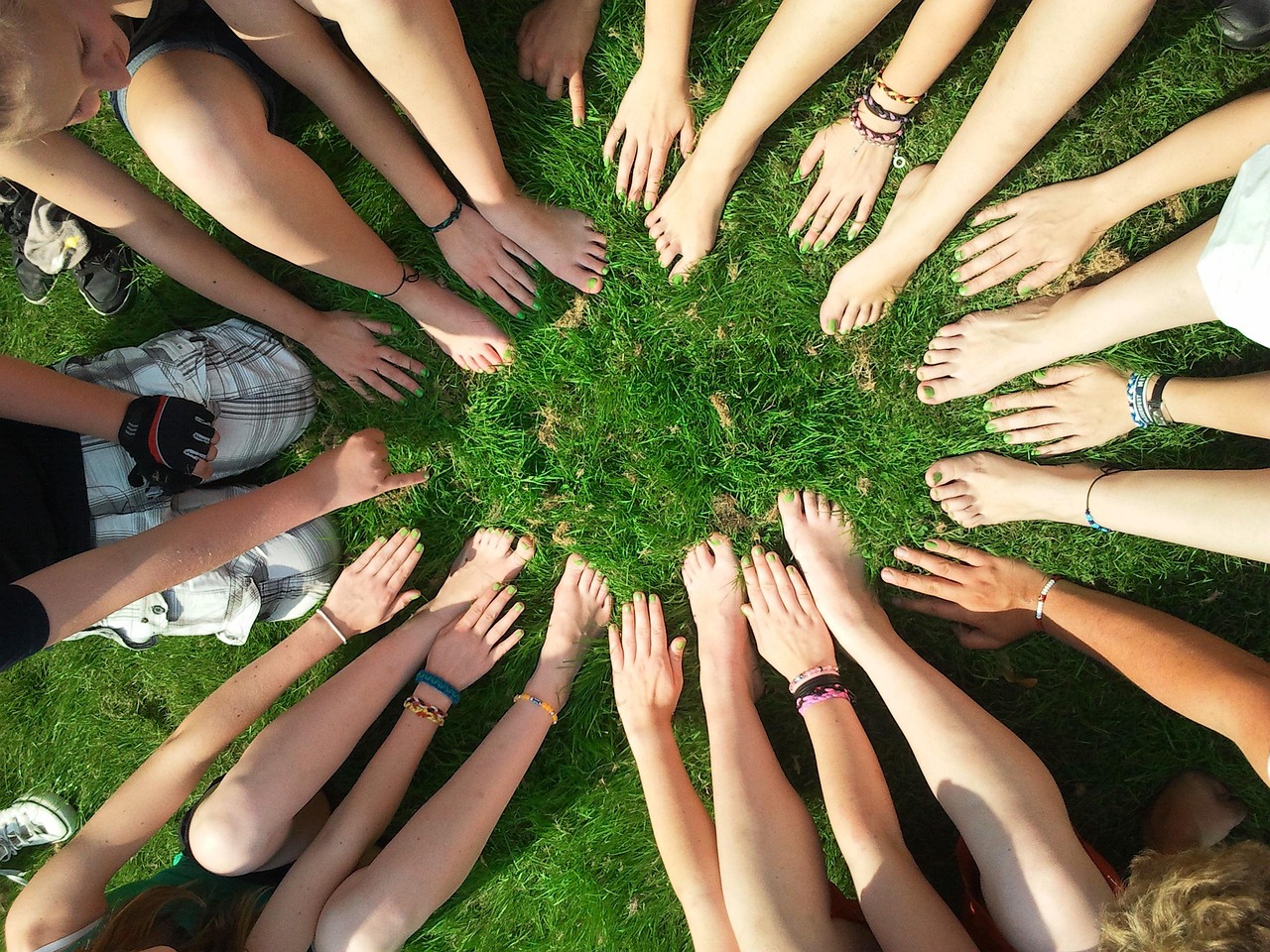
A good party isn’t about perfect playlists or cocktails — it’s about movement, spontaneity, and shared laughter. Interactive, active games are making a comeback, revitalizing gatherings and turning strangers into teammates.
According to a 2025 study at the University of Chicago, shared physical fun doubles dopamine levels compared to passive entertainment. In short — if you want real joy at your party, get people moving.
Why Active Play Is Back
Post-pandemic social life is less about sitting and chatting and more about connecting through experience. Psychologist Jennifer Lee explains:
“Group games unlock something primal — movement, competition, laughter. They make strangers feel like teammates.”
Nearly 60 % of young adults now prefer interactive games to alcohol-centric parties — a shift toward conscious fun.
Indoor Party Classics
- Human Knot. Everyone stands in a circle, grabs two random hands, and tries to untangle without letting go. It’s chaos, laughter, and teamwork in its purest form.
- Giants, Wizards, Elves. A physical version of rock‑paper‑scissors. Teams choose to act as giants, elves, or wizards, then reveal and chase — noise and laughter guaranteed.
- Dance, Dance, Dance. One guest starts leading the dance, the rest copy every move until the music changes. Shyness disappears within minutes, replaced by wild energy.
- Flip Cup or Beer Pong (light edition). Replace alcohol with soda or lemonade — the competition and noise stay the same.
- Tray Balance Challenge. The viral TikTok star of 2025: walk a path balancing a tray of cups. Every wobble is entertainment gold.
- Giant Jenga with Dares. Write challenges on each block — “sing a song,” “compliment someone,” “do 10 squats.” The tower’s fall marks the night’s loudest moment.
Backyard and Outdoor Favorites
- Tug of War. Always a crowd‑pleaser, especially when losers perform a “victory dance” for the winners.
- Kan Jam. Two players toss a flying disc toward a teammate’s goal can — accuracy meets teamwork.
- Bocce Ball. The perfect balance of conversation and competition, ideal for relaxed socializing.
The Science of Fun Together
Active party games work because they stimulate the body and brain simultaneously: movement boosts endorphins, laughter lowers cortisol, and teamwork triggers oxytocin — the “bonding hormone.”
As neurologist Thomas Wiener noted in 2025,
“Physical laughter with contact activates ancient neural circuits — the ones that make humans trust and bond instantly.”
Choosing the Right Game
- New group? Try quick icebreakers like “Human Knot” or “Truth or Dare”.
- Loud crowd? Go for chaotic games like “Dance Battle” or “Tray Challenge”.
- Outdoor vibe? Pick “Bocce Ball” or “Tug of War”.
- Small apartment? Giant Jenga always wins.
The Takeaway
The best parties aren’t necessarily the biggest. They’re the ones filled with movement, laughter, and genuine connection. Active games remind us that sometimes joy is as simple as running, dancing, or wobbling with a tray in your hands.
Because when people move together — they don’t just play. They connect, create memories, and remember what fun truly feels like.