
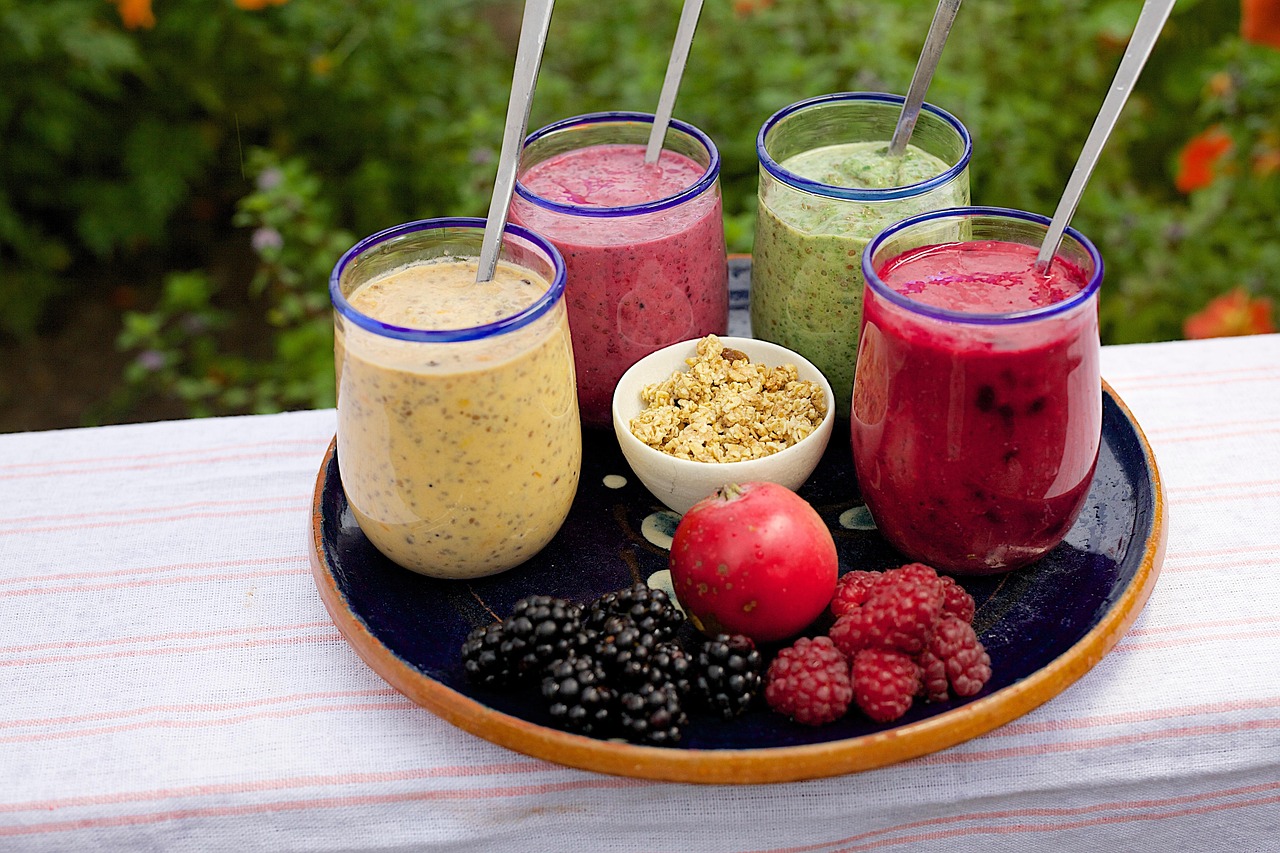
That morning glass of fruit has become a health symbol — a ritual of wellness. Some prefer a creamy smoothie, thick and filling, while others choose a fresh-pressed juice, light and bright with vitamins. Both seem healthy, but what’s really better for your body? The difference isn’t just texture — it’s physiology.
The Key Difference
-
Juice is made by extracting liquid from fruits or vegetables and removing fiber.
-
Smoothies include the whole fruit or vegetable blended, retaining pulp, fiber, and nutrients.
Juice is fast fuel — concentrated vitamins and sugars with no fiber. Smoothies, rich in fiber, digest slowly and feed the microbiome. Your choice determines how your body processes energy.
Energy and Glycemic Impact
Juice delivers an instant sugar rush, raising blood glucose quickly since fiber — the natural moderator — is gone. That means energy spikes and crashes. It’s great after a workout but not ideal for daily use or blood sugar balance.
Smoothies, on the other hand, lead to slower energy release, with fiber stabilizing absorption and keeping blood sugar steady. In short:
-
Juice → fast sugar, quick energy.
-
Smoothie → balanced release, gentle energy.
Smoothies have a lower glycemic index — your body stays energized longer.
Vitamins and Absorption
Because juice lacks fiber, its nutrients reach the bloodstream quickly, which can make it seem superior — but it’s not the full story.
Without fiber, vitamins oxidize faster, losing potency within 30 minutes of juicing. Smoothies, however, protect nutrients longer. The plant fibers act as natural shields, slowing oxidation and preserving more antioxidants and enzymes.
The Role of Fiber
Fiber is the unsung hero of healthy food. It’s what makes smoothies more than drinks — they’re meals in disguise.
-
Helps control appetite and prevent overeating.
-
Supports gut health by feeding beneficial bacteria.
-
Lowers cholesterol by binding excess fats and aiding their elimination.
-
Stabilizes blood sugar, preventing insulin spikes.
Juice nourishes fast, but smoothies sustain you.
Weight and Metabolism
One more key difference — satiety and calories.
Juice offers fewer calories but also less fullness. You can drink 150 calories of orange juice and feel hungry an hour later. Smoothies, though heavier, keep you satisfied longer due to their fiber and nutrient density.
Still, beware of calorie traps: nut butters, yogurt, or syrups can turn a smoothie into a full meal. Balance is key.
The Right Drink for the Right Moment
Each has its purpose.
-
Need a quick pick-me-up? Fresh juice delivers instant electrolytes and glucose.
-
Replacing a meal or snack? Choose a smoothie — it fuels you for hours.
-
Digestive sensitivity? Juice is gentler and easier to process.
-
Managing blood sugar or weight? Smoothies win, slowing glucose release.
Green Smoothies vs. Vegetable Juices
This is where lines blur.
-
Green smoothies mix leafy greens, herbs, and low-sugar fruits — high in nutrients, low in sugars.
-
Vegetable juices, like carrot or beet, are vitamin-rich but can still spike glucose.
For daily use, green smoothies usually strike the right balance.
Potential Downsides
More isn’t always better.
-
Too much juice can overload the liver and spike sugar levels.
-
Too many fruit-heavy smoothies add unnecessary calories.
Moderation matters: one serving per day is plenty for most healthy adults.
Lifestyle and Mindset
Your choice often reflects who you are.
-
Juice lovers chase clarity and instant energy — convenient, quick, and clean.
-
Smoothie drinkers prefer awareness, nourishment, and balance.
Both mirror lifestyles — the rush for vitality or the slow ritual of care.
Final Thoughts
Smoothies and fresh juice aren’t rivals but tools with different purposes. Juice revives; smoothies sustain. A healthy life needs both — bursts of freshness and moments of balance. Drink consciously, not just habitually, and your body will thank you with energy that lasts and calm that carries you through the day.