
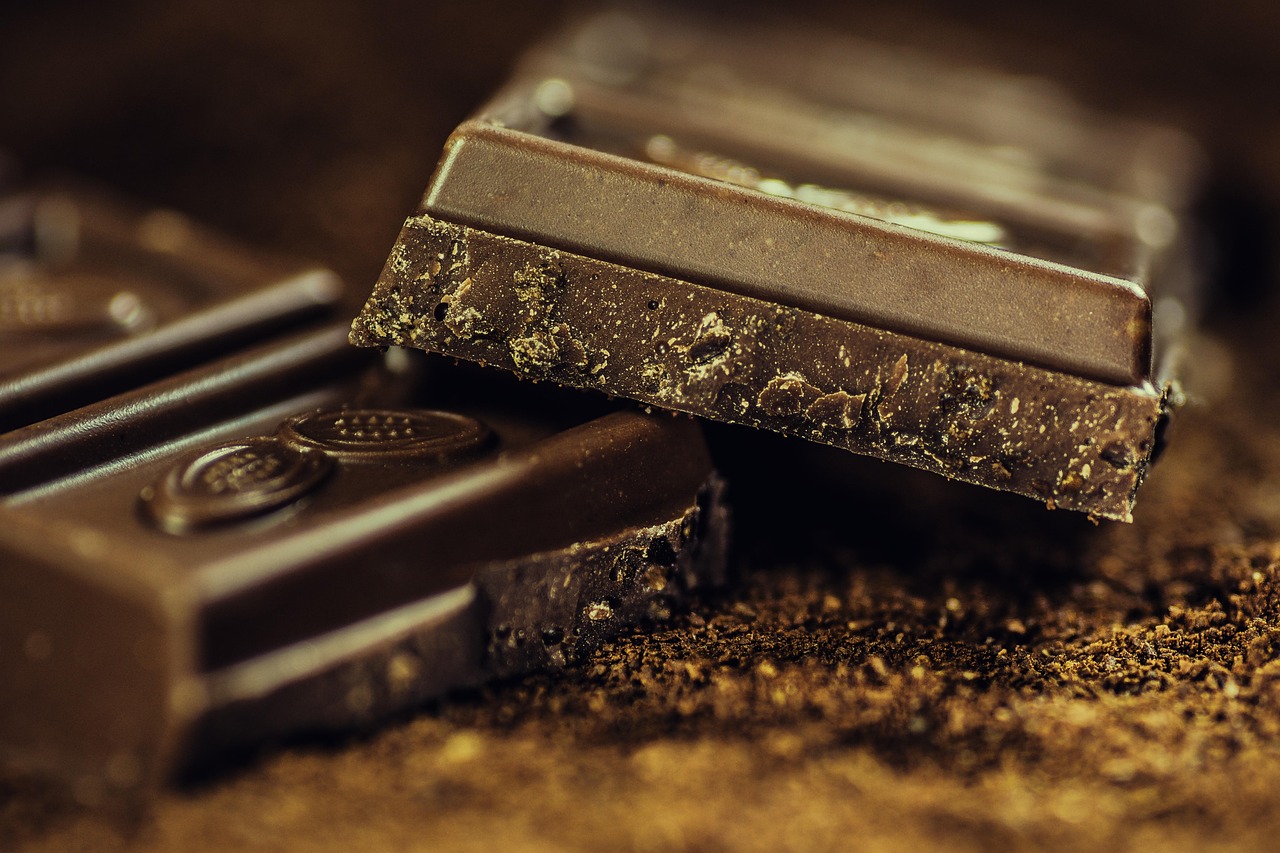
Dark chocolate has evolved from a guilty pleasure to a celebrated “functional food.” Once seen purely as dessert, it’s now valued for its potential to support heart health, brain function, and mood. But how much of the hype is true—and how much is marketing wrapped in foil? The answer, as science increasingly shows, lies in the chemistry of cocoa.
The Secret Lies in the Beans
The magic of dark chocolate starts with cocoa—specifically, its concentration of bioactive compounds. The higher the cocoa percentage, the more flavonoids and polyphenols it contains, and the less sugar and milk that dilute its benefits.
According to Harvard’s School of Public Health (2024), cocoa flavonoids act as potent antioxidants. They help reduce inflammation, strengthen blood vessels, and improve blood flow to the brain—enhancing focus, memory, and mood.
What Makes Dark Chocolate Special
Modern research highlights an array of benefits found in high-quality dark chocolate:
-
Antioxidant powerhouse. Cocoa contains polyphenols, catechins, epicatechins, and procyanidins—antioxidants that neutralize free radicals and slow cellular aging.
-
Heart protection. Flavanols stimulate nitric oxide (NO) production, relaxing blood vessels and reducing blood pressure. People who eat moderate amounts of dark chocolate show reduced risk (by roughly 9–11%) of cardiovascular disease and stroke.
-
Better cholesterol balance. Cocoa’s healthy fats—oleic and stearic acids—help lower LDL (“bad”) cholesterol while raising HDL (“good”) levels.
-
Brain benefits. Flavonoids boost circulation to the brain, improving concentration and reaction speed. Theobromine and caffeine add clarity and mild alertness.
-
Improved insulin sensitivity. Cocoa helps the body respond better to insulin and slows post-meal blood sugar spikes, supporting metabolic health.
-
Stress and mood support. Compounds like phenylethylamine and serotonin precursors naturally elevate mood and ease anxiety.
How It Works Inside the Body
Dark chocolate behaves like a biochemical orchestra, each compound playing its part:
-
Flavanols and nitric oxide widen blood vessels, optimizing oxygen and nutrient delivery.
-
Antioxidants shield lipids and arteries from oxidative damage.
-
Magnesium, copper, and manganese aid nerve transmission and energy metabolism.
-
Theobromine provides stable focus without the caffeine crash—40 g of dark chocolate contains about 240 mg of it.
No wonder even a small piece can energize you while calming your mind.
The Fine Line Between Benefit and Excess
“Healthy” doesn’t mean limitless. The key lies in moderation.
-
Ideal portion: about 20–30 grams per day (a few squares).
-
Choose 70% cocoa or higher. Below 60%, sugar outweighs the benefits.
-
Check the label. Look for cocoa mass, cocoa butter, and minimal sugar. Avoid hydrogenated oils or artificial additives.
-
Mind calories. 100 g of dark chocolate delivers roughly 500–600 calories—enough to offset other gains if overdone.
Even superfoods lose their shine when eaten in excess.
When Dark Chocolate Helps Most
Context matters. Research shows dark chocolate may be especially effective under stress—lowering cortisol and heart rate. After exercise, flavanols aid blood vessel relaxation and recovery.
In addition, clinical studies (Cleveland Clinic, 2025) suggest regular consumption may enhance cognitive function and potentially reduce risks of Alzheimer’s and Parkinson’s, though findings remain preliminary.
Why Not All Chocolate Is Equal
Milk and white chocolate contain far less cocoa and far more sugar and fat. Milk also interferes with antioxidant absorption. Comparative tests show that bars with 85% cocoa have nearly four times the antioxidant activity of 30% varieties. Only real dark chocolate—rich in cocoa solids—delivers the full benefit.
The Scientific Consensus
Across dozens of reviews, the pattern holds: moderate dark chocolate intake supports cardiovascular and cognitive health. Flavanols and cocoa lipids enhance endothelial function, improve insulin sensitivity, and shield cells from oxidative stress. The effects are cumulative, not magical—and dependent on cocoa purity and balanced consumption.
In the End
Dark chocolate isn’t a miracle cure—it’s a small, delicious health ally. Used wisely, it contributes to heart and brain wellness, steady energy, and emotional balance. The rule is simple: quality over quantity. One square of honest dark chocolate can do more for you than an entire candy bar—and it tastes infinitely better when savored mindfully.