
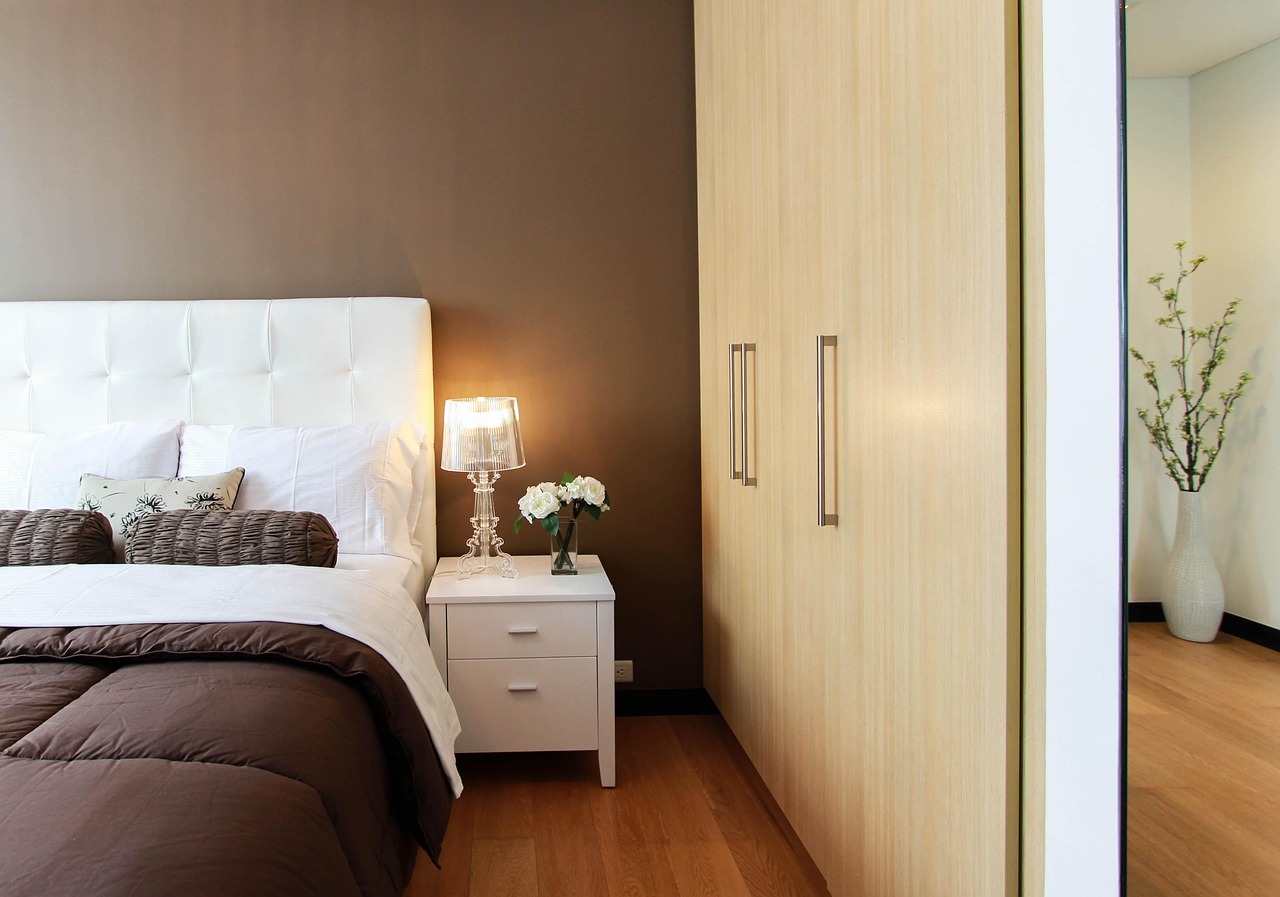
Modern life has disrupted our natural rhythms. We are bathed in artificial light, exposed to constant notifications, and rarely see real daylight. The causes of poor sleep are usually familiar:
-
Too much screen time – blue light suppresses melatonin, the hormone that helps us fall asleep
-
Irregular sleep schedules – your brain loses track of when it’s supposed to rest
-
Chronic stress and anxiety – high cortisol keeps you in alert mode
-
Lack of physical activity – without movement, the body rarely reaches deep sleep stages
-
Late caffeine and heavy dinners – digestive overload confuses your internal clock
Recognizing the cause is half the battle. You can’t force sleep, but you can create the right conditions for it.
Training the Brain with Routine
Sleep isn’t an on-off switch — it’s a transition. The brain needs cues to know that the day is done. Consistent evening rituals help turn rest into a natural part of your rhythm.
-
Set a regular bedtime and wake-up time. Even on weekends — consistency keeps your internal clock stable.
-
Limit screens one hour before bed. Blue light delays melatonin release.
-
Use warm lighting and gentle sounds. Dim lamps, soft music, or nature sounds signal calm.
-
Stretch and breathe. Five minutes of slow movement or mindful breathing lowers stress hormones.
-
Create a nightly signal. Reading, a warm shower, or herbal tea can all become mental signposts for sleep.
The Power of Light and Darkness
Good sleep depends less on duration and more on rhythm. Light is the primary regulator of that rhythm.
-
In the morning, get natural sunlight exposure. It boosts serotonin and wakes the brain.
-
In the evening, dim your lights and avoid bright environments.
-
Darken your bedroom. Blackout curtains or a sleep mask can make a big difference.
-
Avoid turning on lights at night. Even a quick burst of brightness can disrupt your circadian clock.
Our bodies sleep best when they can clearly distinguish between day and night.
Eating and Drinking for Better Sleep
Sleep is a chemical process. What you eat and drink directly affects how deeply you rest.
-
Avoid caffeine after lunchtime. Its effects can linger for hours.
-
Eat lightly in the evening. Heavy meals keep the digestive system working overtime.
-
Include magnesium and tryptophan-rich foods like bananas, almonds, buckwheat, dark chocolate, and turkey.
-
Watch your sugar intake. Sweet snacks before bed can cause energy spikes and crashes.
-
Choose warm drinks as evening rituals. Chamomile tea or warm water soothes the nervous system.
Moving More to Sleep Better
Physical activity is one of the most powerful regulators of sleep.
-
Daytime movement leads to deeper sleep. Even a short walk after lunch helps.
-
Don’t overdo it. Intense workouts too close to bedtime can overstimulate you.
-
Evening yoga or stretching releases tension and prepares the body for rest.
-
Outdoor exercise adds oxygen and synchronizes your body with natural light cycles.
Quieting the Mind
Often, it’s not the body that resists sleep — it’s the mind that can’t stop spinning. Here are a few evidence-based ways to calm it down.
-
Meditation before bed. Focused breathing lowers heart rate and quiets anxious thoughts.
-
Brain dump technique. Write down your worries — when they’re on paper, they stop circling in your head.
-
Mindful breathing. Try this: inhale for four seconds, exhale for four. Repeat until breath and mind slow down.
-
Visualization. Picture a calm place — the brain interprets this mental image as a safety signal.
Over time, these rituals train your brain to link calm with sleep.
Small Habits, Big Results
It’s the little, consistent choices that have the biggest impact.
-
Ventilate your bedroom before sleeping
-
Keep the room at 18–20°C (around 65–68°F)
-
Use your bed only for sleep and intimacy, not work or screens
-
Remove clocks from view — watching time triggers anxiety
-
Wear comfortable clothing or none at all if it helps you relax
Your brain loves predictability and comfort. When it feels safe, it allows deep, restorative rest.
When to Seek Help
If you’ve tried everything and still struggle — if sleeplessness lasts for weeks or you wake up exhausted — it’s worth consulting a specialist. Some sleep disorders, like insomnia or sleep apnea, require medical guidance.
In the End
Sleep is a delicate balance of biology, psychology, and daily habits. You can restore it without medication by returning to nature’s rhythm: dimming the lights, moving your body, breathing deeply, and giving yourself permission to rest. In a world addicted to stimulation, good sleep begins with silence, darkness, and the humility to slow down.